Alcohol is a diuretic, leaving you feeling dehydrated, so if you have not managed to rehydrate yourself sufficiently, you may feel this effect for some time. “The more you drink, the more likely you are going to feel these effects, and the longer you might take to recover.” When we reach for a nightcap, it tends to be the darker spirits, like brandy or whisky, which have higher levels of congeners. So, if you must have a nightcap, choose a light-coloured spirit instead or better still, go without. According how long does a hangover last to Johns Hopkins Medicine, alcohol negatively affects the brain, various organs (think kidney and heart), blood vessels, stomach lining, and several of the body’s systems. Hangxiety can be particularly strong for those prone to anxiety.
Understanding Hangovers
Dependency on alcohol makes it hard for some individuals to stop drinking after starting, leading to more aggressive hangover symptoms each time they drink. This dependency can be a warning sign of alcoholism that may require a detox, inpatient or outpatient treatment program. And while a few drinks might make you feel sleepy and knock you drug addiction treatment out fast, they absolutely wreck the quality of that sleep.
- The best treatment for a hangover is allowing time to pass.
- These drugs work by enhancing the calming neurotransmitter GABA in the brain but carry risks of dependency and tolerance.
- The treatment centers found on the Addiction Center site are paid advertisers.
- There are many other variables that can also worsen alcohol’s impact on the body, resulting in more long-lasting hangover symptoms.
- That’s why you’re likely to wake up very thirsty after a night of too much drinking.
How Long Does the “Morning After” Feeling Last?
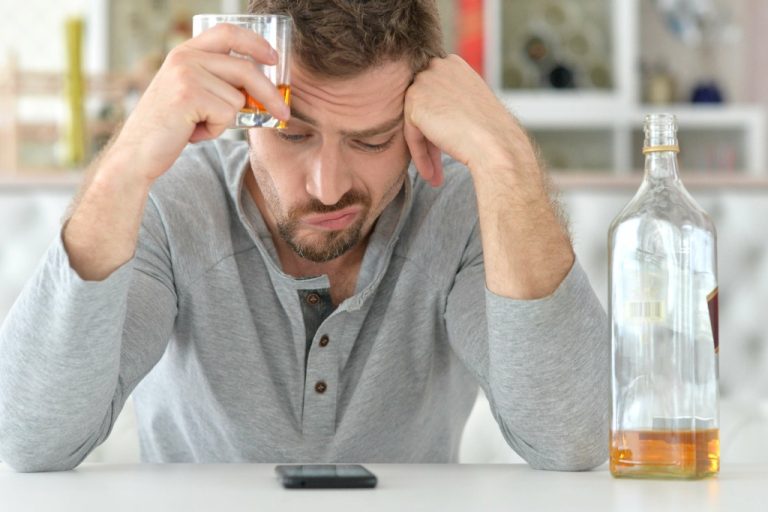
As the body metabolizes the alcohol, adenosine levels drop, often causing a person to wake up before they’re fully rested. Alcohol consumption can lead to a range of unpleasant symptoms collectively known as a hangover. A hangover can impact your well-being the day after drinking. While many people experience hangovers, the exact mechanisms behind them are complex and involve many different factors.

How Does a Hangover Work in the Brain and Body?
If you have questions or need assistance, contacting your insurance provider directly can provide clarity on what is covered under your plan. Drinking too much alcohol can make a hangover worse and increase the risk of chronic health issues. A hangover can cause a range of unpleasant symptoms such as headache, fatigue, and nausea. In a 2010 study, researchers compared participants’ self-reported hangover severity after drinking bourbon or vodka. Alcohol has a wide range of effects on your body, many of which contribute to hangover symptoms. Read on to learn more about what congeners are, which drinks to avoid, tips for recovery, and more.
Alcohol poisoning is a serious and sometimes deadly result of drinking large amounts of alcohol in a short period of time. Drinking too much too quickly can affect breathing, heart rate, body temperature and gag reflex. Alcohol is the main culprit in a hangover, but other components of alcoholic beverages might contribute to hangover symptoms or make a hangover worse.
But, it gets more difficult if you have two beers, a long island https://ecosoberhouse.com/ ice tea and then another beer. However, the mixed drink is really the equivalent of three or four drinks, which makes your total around seven drinks,” Dr. Abbasi says. All health content on goodfood.com is provided for general information only, and should not be treated as a substitute for the medical advice of your own doctor or any other health care professional. If you have any concerns about your general health, you should contact your local health care provider. See our website terms and conditions for more information. Don’t forget government guidelines suggest men and women should drink no more than 14 units per week, so make sure you know exactly how many units are in your favourite alcoholic drinks.